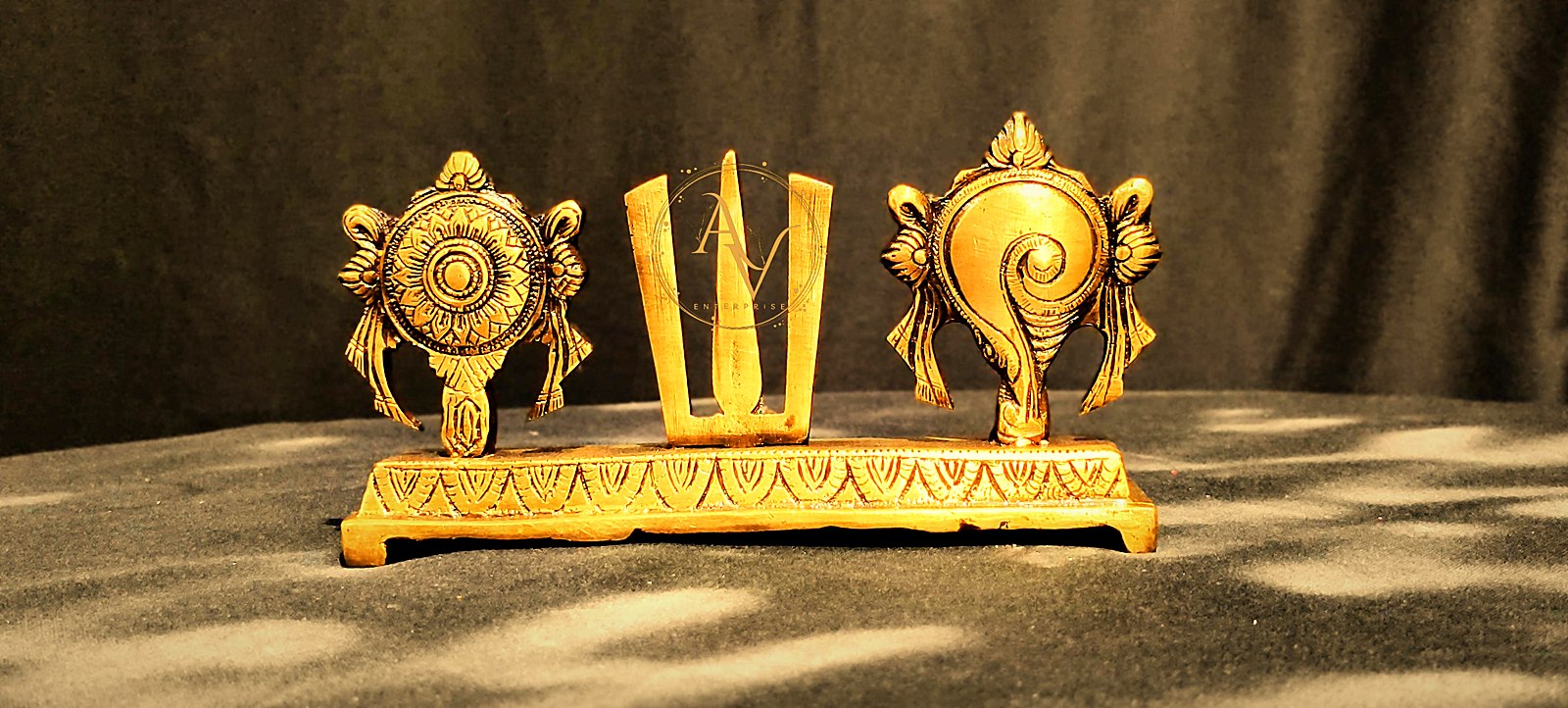
To tell if decor is really handmade, ask the seller three questions: what mistakes they make, about a batch that went wrong, and how many pieces they produce yearly. Real artisans answer with stories; resellers can't. Then inspect the piece — hand-set stones and carving are never perfectly uniform.
Somewhere between 2010 and today, "handmade" stopped being a description and became a marketing sticker. It gets printed on hang-tags in factories that produce ten thousand identical units a month. If you've ever held a "hand-carved" idol and wondered whether human hands ever actually touched it, this guide is for you.
I run Avtaar Enterprise, and I've spent years working directly with brass artisans in India — the kind who can tell you which monsoon changed the way a batch of metal behaved. Along the way I've learned that you don't need to be an expert to separate real handwork from an assembly line. You need three questions and two minutes of looking closely.
Question One"What mistakes do you make, and how do you fix them?"
This question works because mistakes are the signature of handwork. A person who actually makes things has ruined things — it's inseparable from the craft. A real artisan lights up at this question and tells you stories: the casting that cracked as it cooled, the six hours spent re-chiseling a face that came out wrong, the piece they melted down and started over.
"We don't make mistakes" is the single biggest red flag in handmade retail. It means the person you're talking to has never made anything.
Question Two"Tell me about a batch where something wasn't right."
Materials are living things to an artisan. Brass alloys vary; stone inlay behaves differently in humid months; a new supplier's metal pours differently. Someone who works with their hands remembers specific batches the way you remember difficult weeks at work.
You're not testing their honesty here — you're testing whether they're close enough to the making to have anything to remember.
Question Three"How many of these do you make per year?"
This is the arithmetic question, and it can't be faked. A brass idol that is genuinely cast, chiseled, stone-set, and polished by hand takes days per piece. Do the math on any answer you get:
Five thousand "hand-carved" pieces a year is an assembly line wearing a handmade label. Fifty to a hundred is a person protecting quality over profit.
The myth that keeps people buying factory decor
Here's the objection I hear most: "But isn't handmade inconsistent? At least factory pieces are quality-controlled." The numbers say the opposite.
You think handmade is inconsistent. Actually, industrial production is the gamble you've been taking all along.
A factory samples roughly 50 units out of 10,000 — the other 9,950 ship unchecked. A master artisan inspects every single piece at every stage of making, because their name and reputation ride on each one. When you buy authentic handmade, you're not accepting more risk. You're accepting less.
Can't ask questions? Read the piece itself
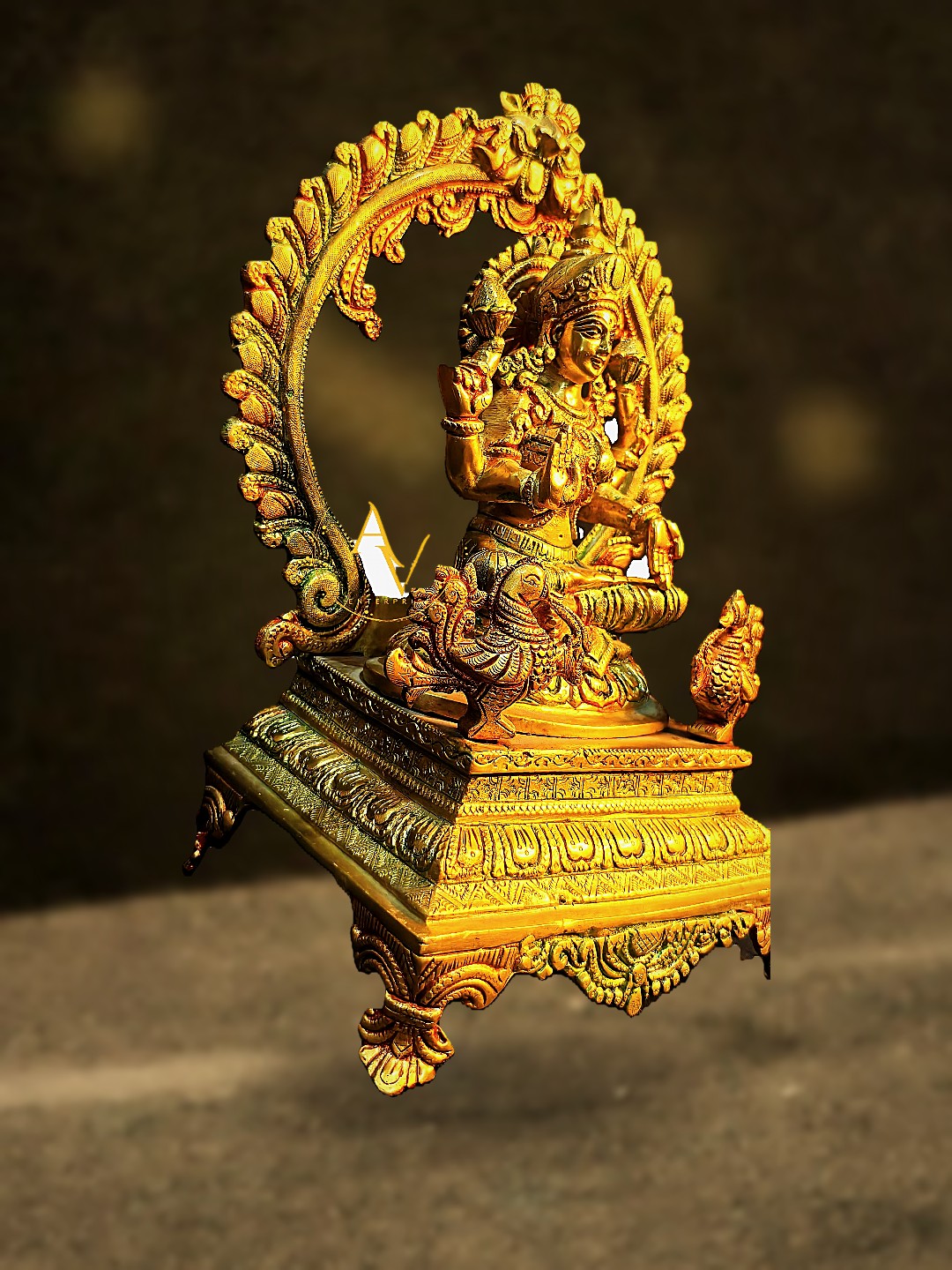
Buying online, or from a shop where the maker isn't present? The piece will answer for them. Authentic handwork leaves evidence:

- Stone inlay variation. In hand-set work, every stone is cut and seated individually — sizes and spacing vary slightly. Machine-set stones are eerily uniform.
- Tool marks in the detail. Look inside crevices and behind ornaments. Hand-chiseling leaves faint, irregular marks; molds leave seam lines and perfect repetition.
- Slight asymmetry. Compare the left and right sides of a face, a crown, a garland. Handwork is balanced but never mirror-perfect.
- Honest weight. Solid cast brass feels heavier than it looks. Hollow, suspiciously light "brass" is usually plated alloy.
- A finished back and base. Artisans finish surfaces no one will see. Factories don't — machines only work the side the camera photographs.

Why this matters more than the price tag
A generic factory piece costs less on the day you buy it — then depreciates the moment it leaves the shelf, and gets replaced every few years, forever. An authentic handcrafted piece holds its value, often appreciates as the artisan's reputation grows, and lasts decades. Over twenty years, generic quietly costs more than intentional.
Every piece in our collection comes from artisans who can answer all three questions above — because we asked them before you had to.
Frequently asked questions
How can you tell if home decor is really handmade?
Ask the seller the three questions in this guide — about mistakes, about a batch that went wrong, and about yearly volume. Real artisans answer with specific stories. Then inspect the piece for stone-inlay variation, tool marks, slight asymmetry, honest weight, and a finished back and base.
Is handmade decor better quality than factory-made?
Usually, yes — because of inspection rates. A factory samples around 0.5% of a 10,000-unit run for quality control, so 9,950 units ship unchecked. A master artisan inspects 100% of their pieces at every stage of making.
How many pieces does a real artisan make per year?
Typically 50–100 pieces per year for detailed brass work. Claims of thousands of "hand-carved" pieces annually are only possible with industrial production.
What are the physical signs of an authentic handcrafted brass idol?
Natural variation in hand-set stones, faint tool marks in carved detail, slight left–right asymmetry, solid weight, and careful finishing on the base and back — the areas factories skip.
Why does authentic handmade brass decor cost more?
You're paying for days of casting, chiseling, stone-setting, and polishing — plus 100% inspection. Handcrafted pieces also hold their value, while factory decor depreciates immediately.

Komal Gupta — Founder, Avtaar Enterprise
Komal works directly with brass artisans across India, sourcing authentic handcrafted idols, spiritual decor, and statement pieces for homes in the USA. Avtaar Enterprise (formerly Artistic Kraft Creation on Etsy) exists to connect real makers with people who appreciate true artistry.