To find your decorating style, walk through your home and notice what genuinely makes you feel something — the colours that stop you, the textures you want to touch. Write those down; that's your taste. Then mix styles freely instead of following “timeless” rules written for someone else's house.
Here’s the thing nobody tells you: you don’t lack design skills. You lack permission to use them. Every time you’ve thought “what if it doesn’t match?” or “what if it’s too much?” you already had an opinion — you just talked yourself out of it.
Those two fears are worth translating honestly. “What if it doesn't match?” usually means what if someone thinks it's weird? And “what if it's too much?” means what if I'm too much? Once you see that, you can set both aside — because they're about other people's opinions, not your home.
Find your taste in 15 minutes
This is a short, practical exercise. Do it once and you'll stop second-guessing every decorating decision.
Minute 1–3Forget the rules
“Timeless,” “neutral,” and “goes with everything” are crutches for people decorating for strangers. Give yourself permission to ignore them for the next quarter hour.
Minute 4–10Walk through and notice what you feel
Move slowly through your home and your favourite shops or saved images. Notice what actually stops you — which colours pull your eye, which textures you want to reach out and touch, which shapes you linger on. Don't judge it. Just notice.
Minute 11–15Write it down — then mix without guilt
Write down what stopped you. That list is your taste — don't overthink it. Then give yourself permission to mix: a boho throw beside minimalist furniture, a cultural artifact next to contemporary art, warm brass against cool stone. Mixing isn't a mistake. It's the fingerprint of a real person's home.
“Eclectic” is just code for “I trusted my taste instead of a rulebook.”
Trust the pieces that make you feel something
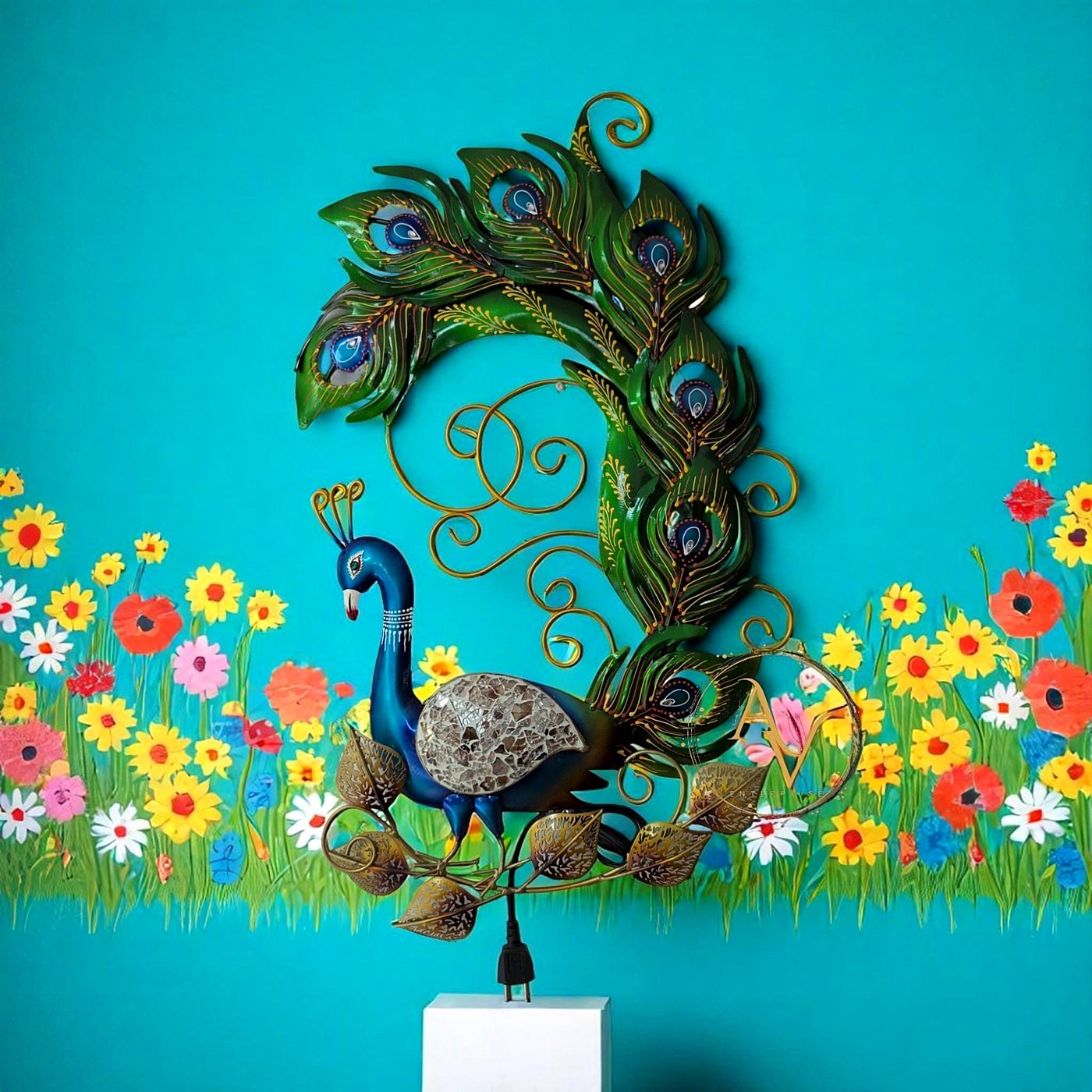
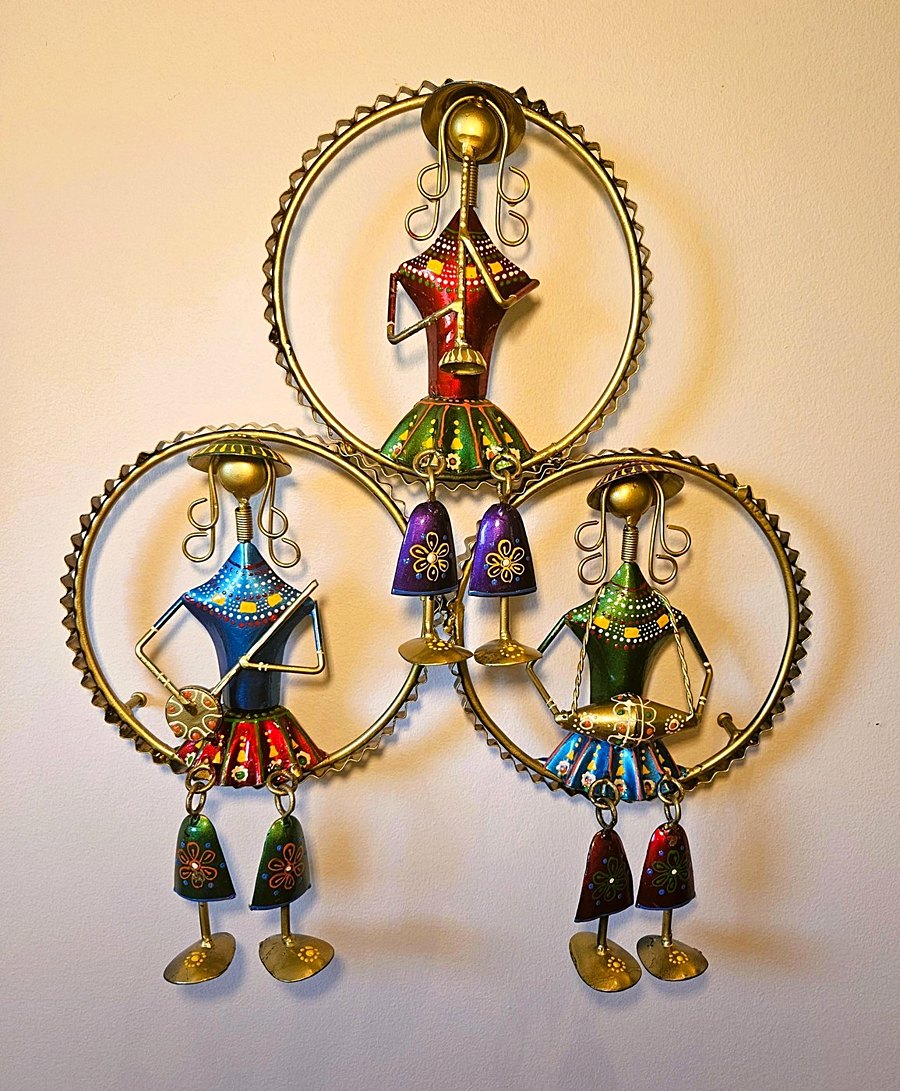
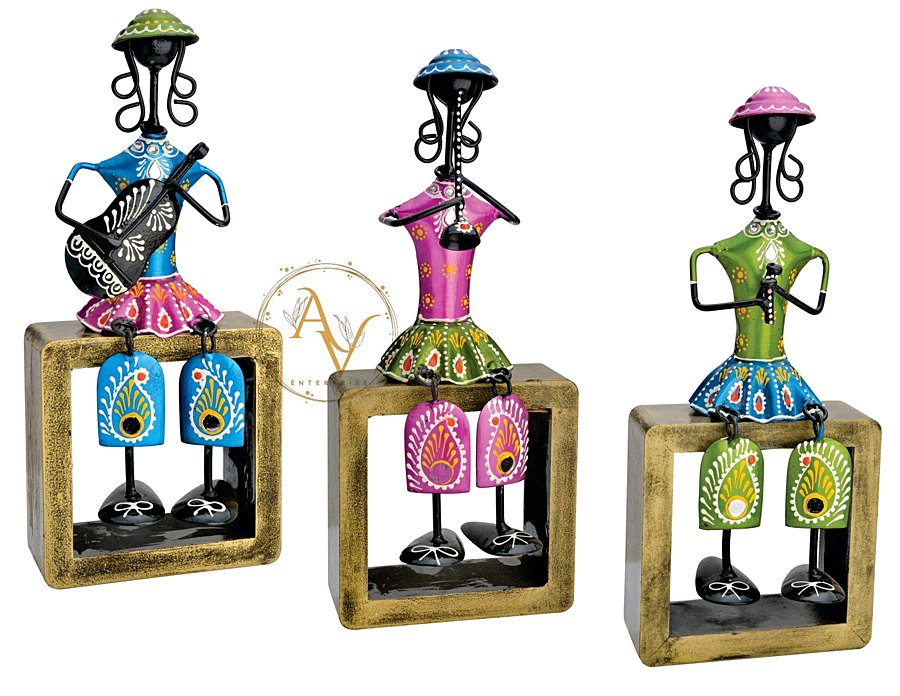
The pieces people remember in your home won't be the safe ones — they'll be the ones with character and a story. A handcrafted idol, an antique-finish sculpture, a piece of hand-set stonework: these don't match a rulebook, and that's precisely why they work.
You already have taste. Once you trust it, decorating stops being a test you might fail and becomes what it should be — the pleasure of surrounding yourself with things you love. Explore the collection and see which pieces stop you.
Frequently asked questions
How do I find my interior design style?
Walk slowly through your home and saved images and notice what genuinely makes you feel something — the colours that stop you, the textures you want to touch, the shapes you linger on. Write those down. That list is your style. It's about what you're drawn to, not what a rulebook approves of.
What if my decor doesn't match?
"Doesn't match" usually just means "someone might think it's unexpected." A home that reads as personal almost never matches perfectly — it combines pieces the owner loves. Balanced contrast looks intentional and alive; perfectly matched rooms often look forgettable.
Is it okay to mix decor styles?
Yes — mixing styles is what makes a home feel like a real person lives there. A boho throw beside minimalist furniture, a cultural artifact next to contemporary art, warm brass against cool stone: 'eclectic' simply means you trusted your taste instead of a rulebook.
How do I know what my taste is?
Your taste is visible in what you already respond to. Notice which colours, materials, and objects stop you when you're browsing — not what you think you should like. The recurring pulls are your taste; the 'shoulds' are other people's opinions.
What does eclectic decor mean?
Eclectic decor combines pieces from different styles, eras, and cultures based on what the owner loves rather than a single matching scheme. Done with a little balance, it looks collected and personal — the opposite of a catalog room.

Komal Gupta — Founder, Avtaar Enterprise
Komal works directly with brass artisans across India, sourcing authentic handcrafted idols, spiritual decor, and statement pieces for homes in the USA. Avtaar Enterprise (formerly Artistic Kraft Creation on Etsy) exists to connect real makers with people who appreciate true artistry.